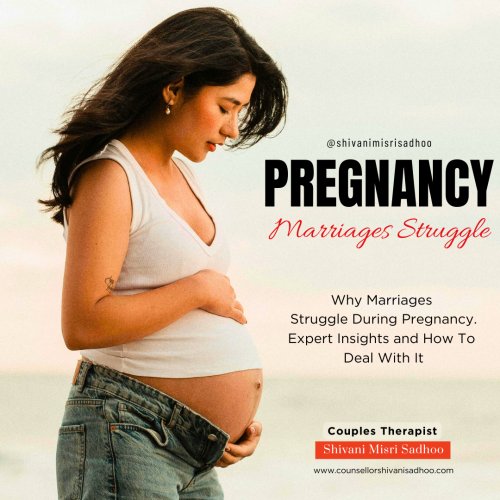
Why Marriages Struggle in Pregnancy? Marriage Counsellor Shivani Misri Sadhoo shares expert insights and practical strategies for couples to stay connected
Pregnancy is often portrayed as a joyful and bonding phase for couples, filled with anticipation and dreams of parenthood. Yet, for many marriages, this period quietly becomes one of emotional strain and misunderstanding. Physical changes, emotional shifts, financial worries, and altered relationship dynamics can create distance between partners who once felt deeply connected. Understanding why marriages struggle during pregnancy is the first step toward navigating this phase with empathy, patience, and resilience.
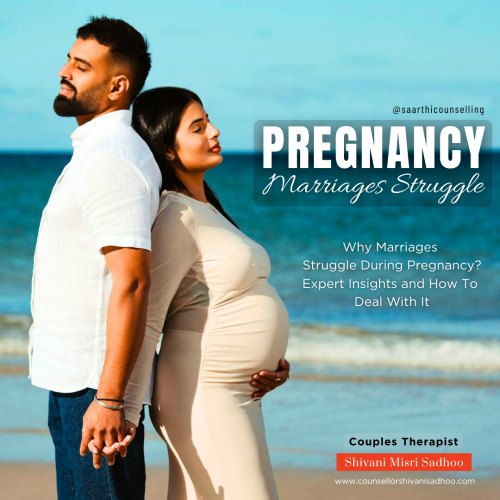
Why Marriages Struggle During Pregnancy?
Pregnancy brings profound changes—not just for the woman’s body, but for the relationship itself. One of the most common reasons marriages struggle is emotional imbalance. Hormonal fluctuations can intensify emotions, leading to mood swings, anxiety, or irritability. While these changes are biologically normal, they can be confusing or overwhelming for the partner, especially if communication is limited.
Another major factor is unequal physical and emotional experiences. The pregnant partner undergoes visible physical discomfort, fatigue, nausea, and body image changes, while the other partner may feel helpless, excluded, or unsure of their role. This difference in experience can unintentionally create emotional distance.
Communication breakdown is also common. Couples may avoid difficult conversations to “keep the peace,” but unspoken fears—about finances, parenting abilities, intimacy, or changing priorities—tend to surface as arguments or withdrawal instead.
The Impact of Stress and Expectations
Pregnancy often introduces new stressors into a marriage. Financial pressure increases as couples prepare for medical expenses, childcare, and lifestyle changes. Career concerns, especially for women balancing work and motherhood, can add further tension.
Unrealistic expectations play a significant role as well. Some partners expect the relationship to remain unchanged, while others expect increased emotional support without clearly expressing their needs. When expectations are unmet, resentment can quietly build.
Intimacy changes are another sensitive area. Physical discomfort, medical advice, or emotional shifts may reduce sexual intimacy, which can lead to feelings of rejection or insecurity if not discussed openly and compassionately.

Expert Insights from Couples Therapist Shivani Misri Sadhoo: What’s Really Happening?
Relationship experts like Shivani Misri Sahoo emphasise that pregnancy challenges the identity of a marriage. Couples are transitioning from partners to parents, which naturally reshapes priorities and roles. This transition can temporarily weaken the emotional connection if couples do not consciously nurture it.
Relationship expert and marriage counsellor Shivani Sadhoo also points out that unresolved issues from before pregnancy often resurface during this time. Pregnancy doesn’t create relationship problems—it amplifies existing ones. Stress acts as a spotlight, revealing gaps in communication, emotional safety, or mutual support.
Importantly, struggling during pregnancy does not mean a marriage is failing. It often signals a need for adjustment, understanding, and intentional effort.

How to Deal With Marital Struggles During Pregnancy?
The most effective tool is open, honest communication. Couples should create safe spaces to talk about fears, expectations, and emotional needs without judgment. Listening is just as important as speaking—sometimes reassurance matters more than solutions.
Shared involvement
This can strengthen the bond. Attending medical appointments together, preparing for the baby as a team, and learning about pregnancy and parenting jointly helps both partners feel connected and equally invested.
Emotional intimacy
Prioritising emotional intimacy is crucial. Simple gestures—checking in daily, expressing appreciation, or spending quality time together—can reinforce the relationship even when physical intimacy fluctuates.

Professional help
Seeking professional support is another healthy option. Prenatal counselling or couples therapy can provide guidance, normalise emotions, and offer tools to navigate conflict constructively.
Patience and empathy
Lastly, practising patience and empathy is essential. Both partners are adjusting to a life-altering change. Allowing room for mistakes, emotional reactions, and growth can prevent temporary struggles from becoming long-term damage.
Moving Forward Together
Pregnancy is not just the birth of a child—it is the birth of a new phase in marriage. While it can strain even strong relationships, it also offers an opportunity to deepen emotional connection, strengthen teamwork, and build a foundation for parenting together. With awareness, communication, and mutual support, couples can move through this challenging phase not apart, but stronger than before.

Shivani Misri Sadhoo is an internationally recommended relationship counsellor by the world’s biggest and most trusted study and research-based foundation for couples therapy – Gottman Institute. She is trained in specialised key relationship counselling Skills from AIIMS, VIMHANS and various other reputed institutions. Counsellor Shivani Misri Sadhoo is also certified in emotionally focused therapy, cognitive behavioural therapy, and dialectical behaviour therapy.
Counselor Shivani Misri Sadhoo is also a Certified Neuro Linguistic Practitioner with specialized training and experience in the field of affairs/betrayals, trust issues, difficulty communicating, conflicting values, bereavement, grief and loss (affairs, separation, divorce, childhood) and emotional health issue (anxiety, social anxiety, fear, depression, low mood).
Currently, Shivani Misri Sadhoo is one of the top counselors with the HIGHEST Success Rate with over 17,000 happy couples and individuals (based in India and abroad), who has benefited from her therapy. Psychologist and Counselor Shivani Misri Sadhoo not only practices independently from her clinic in Greater Kailash, Delhi, India, but also is listed on the panel of eminent hospitals like IBS Hospital Panel – Institute of Brain and Spine, Express Clinic, Fortis (formerly) based in Delhi.
Call Counselor: +91-8860875040
Email: saarthiforlife@gmail.com