
Key Takeaway
- Maintaining a balance between work and family during pregnancy is essential for protecting your physical health, emotional well-being, and long-term career continuity.
- Open communication, realistic priorities, and sharing responsibilities at home and work help reduce stress and prevent burnout during this phase.
- Self-care and seeking support when needed are key to ensuring a healthier pregnancy, allowing both you and your baby to thrive.
The moment you learn about your pregnancy, life seems to pause for a heartbeat. A mix of joy, wonder, disbelief, and a quiet sense of responsibility begins to take shape. You realise that every decision now carries a deeper meaning—not just for you, but for the life growing within you. Alongside dreams of tiny smiles and lullabies, a practical concern often emerges: how will you balance your career and your growing family?
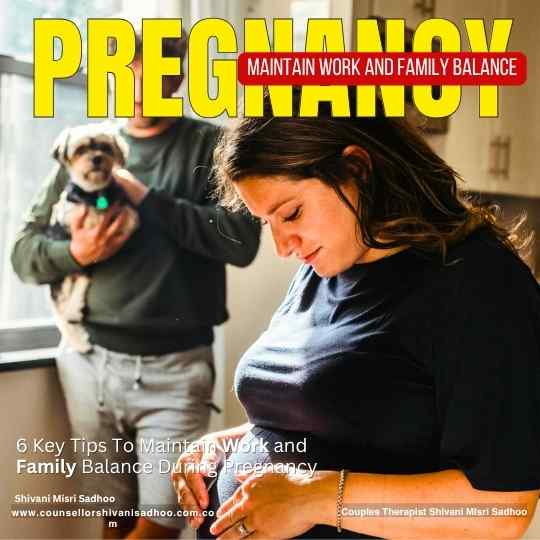
While it may feel overwhelming at first, this phase doesn’t have to be stressful. With mindful choices and the right support, pregnancy can become a period of strength, clarity, and emotional grounding. Here are six practical tips to help you maintain a healthy balance between work and family during pregnancy, shares Shivani Misri Sadhoo, who is an experienced couples therapist in Delhi, India.
Why is This Balance So Important?
Balancing work and family during pregnancy is essential for both your well-being and your future. It helps prevent physical and emotional burnout by allowing you to manage your energy better. It also supports your professional journey by keeping you engaged and prepared for a smoother transition back to work later.
Maintaining this balance contributes to your baby’s health by reducing stress levels and encouraging proper self-care. At the same time, it strengthens your support system at home, helping you and your partner build a shared routine early on. Most importantly, it allows you to preserve your identity—so both your personal and professional aspirations continue to coexist.
Shivani Sadhoo, says “Pregnancy is not a pause on your life—it’s a gentle realignment of priorities, where balance is found not in doing everything, but in caring for yourself while nurturing what matters most.”

1. Listen to Your Body, Not Just Deadlines
Your body undergoes significant changes during pregnancy, and it’s important to respect its signals. Instead of pushing yourself through intense work schedules, try to pace your tasks more gently. Prioritise what truly needs immediate attention and allow flexibility where possible. Adjusting your pace is not a setback—it’s a smart way to sustain your energy and health.
2. Communicate Openly With Your Employer
Clear and honest communication at work can make a big difference. Discuss your needs, expected timeline, and any adjustments you may require with your manager. Whether it’s flexible hours, lighter responsibilities, or remote work options, many workplaces are more supportive than expected. Proactive communication builds trust and helps avoid unnecessary stress.

3. Set Your Priorities Right
This phase of life calls for a shift in priorities. While your career remains important, your health and your baby’s well-being come first. Setting realistic expectations allows you to reduce pressure and focus on what truly matters. Opportunities will come again, but this time is unique—embracing it with calmness and acceptance makes the journey more fulfilling.
4. Share Responsibilities
Pregnancy is not a journey to be handled alone. Sharing responsibilities at home can significantly reduce stress. Your partner’s involvement—whether through household chores or emotional support—creates a more balanced and nurturing environment. At work too, don’t hesitate to delegate tasks or seek assistance when needed. Accepting help reflects strength, not weakness.

5. Seek Help When Needed
There may be moments when things feel overwhelming, and that’s completely normal. Relying on family, friends, or professional help can ease your daily burden. Let go of the guilt associated with asking for support. Taking help allows you to conserve energy and focus on your well-being, which ultimately benefits both you and your baby.
6. Make Self-Care a Priority
Self-care during pregnancy is essential, not optional. Taking time to rest and recharge helps maintain emotional and physical balance. Simple activities like a short walk, meditation, or gentle stretching can uplift your mood and reduce stress. Even a few quiet moments in your day can make a noticeable difference in how you feel.
| Area of Focus | What It Means | Practical Approach |
|---|---|---|
| Physical Well-being | Taking care of your body and energy levels | Pace your work, rest when needed, avoid overexertion |
| Workplace Communication | Being open about your needs and limitations | Discuss flexible hours, workload adjustments with your employer |
| Priority Management | Shifting focus toward health and essential responsibilities | Set realistic goals, delay non-urgent tasks |
| Shared Responsibilities | Reducing burden by involving others | Divide household chores, delegate tasks at work |
| Support System | Seeking help from family, friends, or professionals | Accept emotional and practical support without guilt |
| Self-Care | Maintaining mental and emotional balance | Practice relaxation techniques, light exercise, and mindfulness |
| Stress Management | Keeping emotional health stable | Avoid unnecessary pressure, create a calm daily routine |
| Long-term Balance | Preparing for life after childbirth | Build sustainable habits and maintain a connection with your professional role |
Balancing work and family during pregnancy isn’t about doing everything perfectly. It’s about making mindful choices—listening to your body, communicating your needs, accepting support, and allowing yourself to slow down when necessary. This journey is as much about care as it is about growth. If needed, don’t hesitate to seek guidance from a counsellor. With the right approach, this phase can be calm, empowering, and deeply meaningful.

Shivani Misri Sadhoo is an internationally recommended relationship counsellor by the world’s biggest and most trusted study and research-based foundation for couples therapy – Gottman Institute. She is trained in specialised key relationship counselling Skills from AIIMS, VIMHANS and various other reputed institutions. Counsellor Shivani Misri Sadhoo is also certified in emotionally focused therapy, cognitive behavioural therapy, and dialectical behaviour therapy.
Counselor Shivani Misri Sadhoo is also a Certified Neuro Linguistic Practitioner with specialized training and experience in the field of affairs/betrayals, trust issues, difficulty communicating, conflicting values, bereavement, grief and loss (affairs, separation, divorce, childhood) and emotional health issue (anxiety, social anxiety, fear, depression, low mood).
Currently, Shivani Misri Sadhoo is one of the top counselors with the HIGHEST Success Rate with over 17,000 happy couples and individuals (based in India and abroad), who has benefited from her therapy. Psychologist and Counselor Shivani Misri Sadhoo not only practices independently from her clinic in Greater Kailash, Delhi, India, but also is listed on the panel of eminent hospitals like IBS Hospital Panel – Institute of Brain and Spine, Express Clinic, Fortis (formerly) based in Delhi.
Call Counselor: +91-8860875040
Email: saarthiforlife@gmail.com