Summary
- Excessive reliance on AI and digital interactions may create emotional distance and unrealistic expectations in relationships.
- The “AI gap” develops when virtual engagement begins replacing meaningful communication and emotional intimacy between partners.
- Healthy relationships thrive when technology is balanced with trust, face-to-face interaction, and genuine human connection.
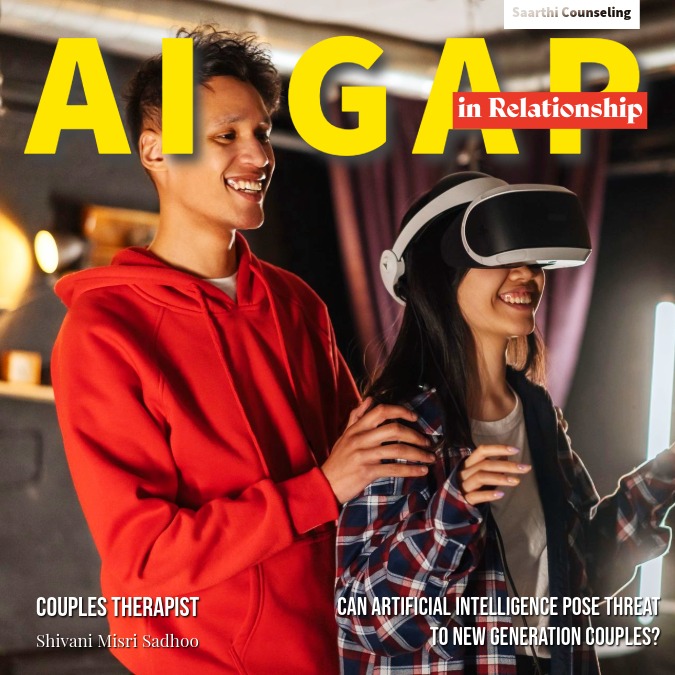
Artificial Intelligence has rapidly become a part of everyday life. From virtual assistants and chatbots to AI-generated conversations and emotional support apps, technology is now influencing how people communicate, connect, and even form relationships. While AI offers convenience and companionship, relationship experts and psychologists are increasingly discussing a growing concern known as the “AI gap” in modern relationships.
The AI gap refers to the emotional and communication distance that may develop between couples when one or both partners become excessively dependent on artificial intelligence for attention, validation, emotional comfort, or entertainment. For younger generations that are deeply connected to technology, this shift may gradually affect emotional intimacy and real human bonding, says eminent relationship and experienced couples counsellor in Delhi, Shivani Misri Sadhoo.
Can AI Really Affect Romantic Relationships?
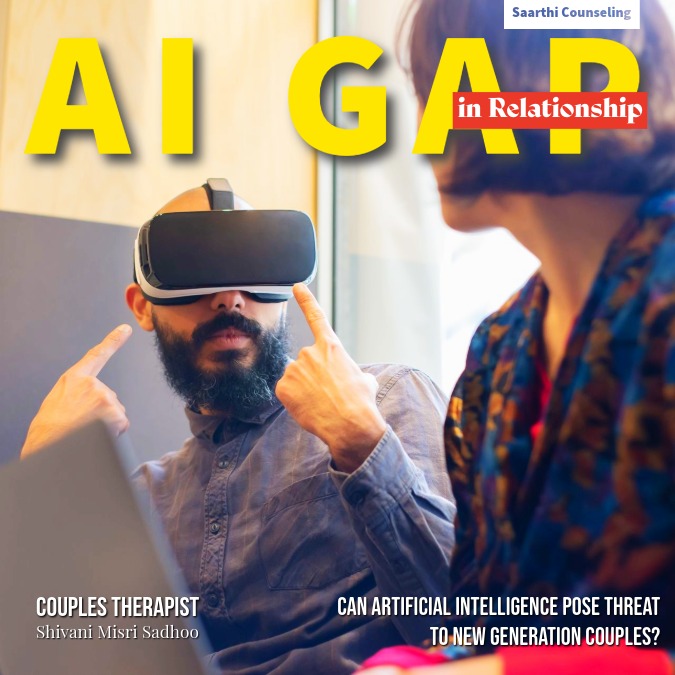
Yes, experts like marriage counsellor Shivani Sadhoo believe that excessive dependence on AI-based interactions can influence relationship dynamics. Many people now spend hours talking to AI chatbots, consuming personalised digital content, or relying on virtual platforms for emotional support. While these tools may feel comforting, they can sometimes reduce meaningful communication between partners.
Healthy relationships require emotional effort, patience, empathy, compromise, and face-to-face interaction. AI systems are designed to respond instantly, agree easily, and provide personalised conversations without emotional conflict. Over time, this may create unrealistic expectations from real-life partners, making natural disagreements or emotional complexities harder to manage.
“Artificial Intelligence can make communication easier, but relationships still survive on emotional presence, empathy, patience, and real human connection. Technology should support relationships, not slowly replace the conversations and emotional intimacy that keep couples truly connected.” – Shivani Misri Sadhoo, Gottman Recommended Indian Marriage Counsellor | Clinical Psychologist at IBS Hospital, Lajpat Nagar, Delhi
What Is the “AI Gap” Between Couples?
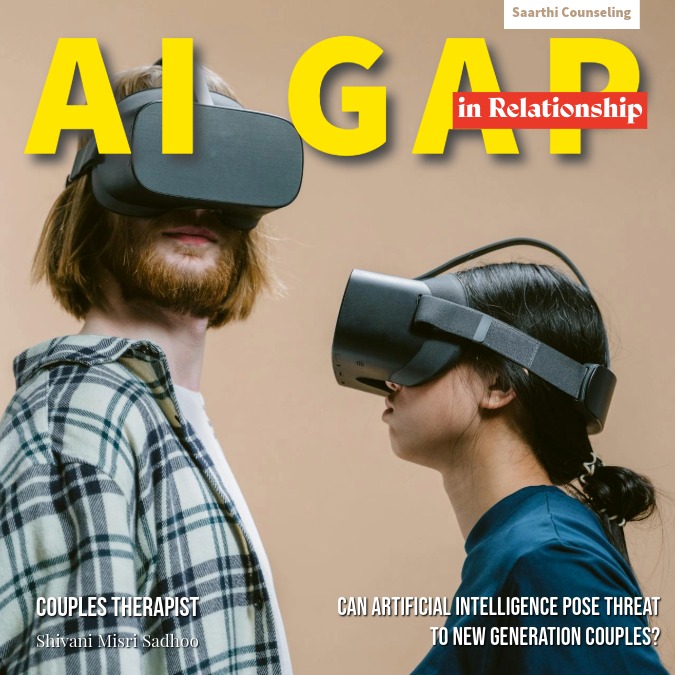
The AI gap is not simply about technology use; it is about emotional imbalance. In some relationships, one partner may become more emotionally invested in digital interactions than in the relationship itself. This can lead to emotional distance, reduced communication, and feelings of neglect.
Experts explain that couples may slowly stop having deep conversations because digital entertainment and AI-based interactions constantly occupy their attention. Emotional intimacy can weaken when people prefer virtual validation over real emotional vulnerability.
In some cases, AI may also intensify misunderstandings when couples compare their real relationship with idealised digital conversations or unrealistic online portrayals of romance.
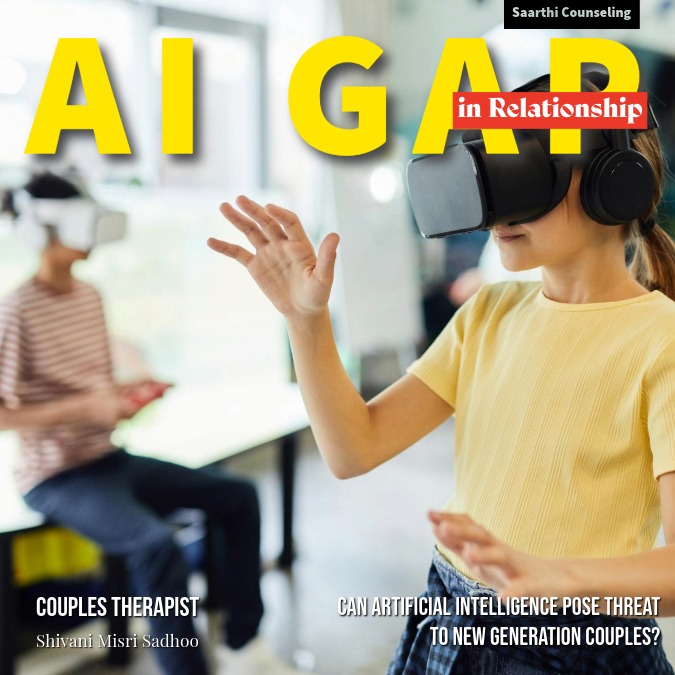
Can AI Create Unrealistic Emotional Expectations?
One major concern among psychologists is that AI tools are programmed to respond in ways that feel emotionally satisfying. Unlike real relationships, AI does not become tired, frustrated, emotionally unavailable, or upset during disagreements.
This can subconsciously affect expectations in romantic relationships. Some individuals may begin expecting constant validation, instant responses, or perfect emotional understanding from their partners. Real human relationships naturally involve imperfections, emotional fluctuations, and occasional conflicts, which are essential for emotional growth and trust-building.
Is Social Isolation Becoming a Bigger Problem?
Relationship experts warn that excessive digital dependence may increase emotional isolation, even among couples living together. Many partners now spend more time on phones, social media, or AI-powered platforms than engaging in meaningful real-life conversations.
The younger generation, especially those growing up in highly digital environments, may struggle with emotional communication skills, patience, and conflict resolution if technology gradually replaces authentic interpersonal interactions.
While AI can improve productivity and provide temporary emotional comfort, it should not replace genuine human connection.
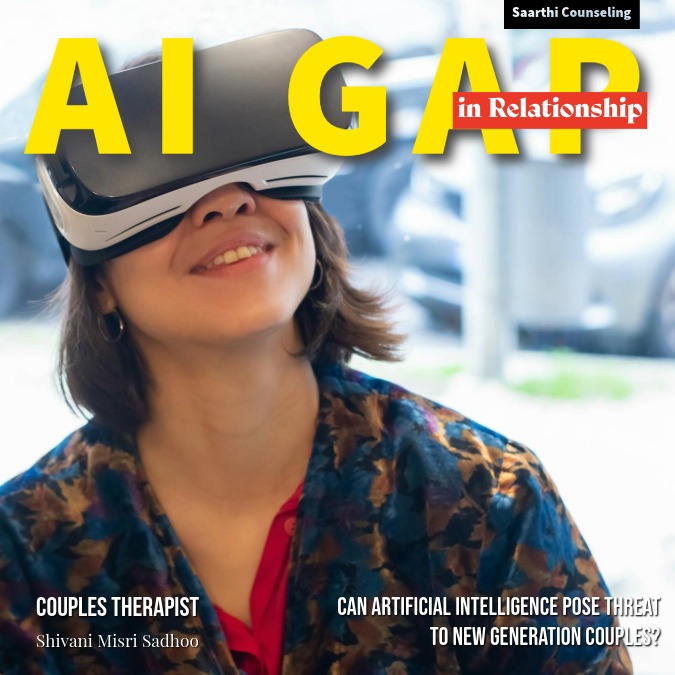
Can AI Also Help Relationships?
Artificial Intelligence is not entirely harmful to relationships. In many ways, it can help couples stay connected through communication tools, reminders, scheduling support, mental health resources, and relationship guidance platforms.
Some couples use AI tools to improve communication, plan quality time, or access therapy resources. The key difference lies in balance. Technology becomes problematic only when it starts replacing emotional presence instead of supporting it.
Experts suggest maintaining healthy digital boundaries, prioritising face-to-face conversations, spending device-free time together, and building emotional trust beyond screens.
When Should Couples Seek Professional Help?
If technology dependence begins causing emotional distance, trust issues, communication breakdown, loneliness, or recurring conflicts in a relationship, couples may benefit from consulting a mental health professional or relationship counsellor.
Why Does Human Connection Still Matter Most?
Despite rapid advancements in Artificial Intelligence, emotional warmth, empathy, physical presence, and genuine human understanding cannot be fully replaced by machines. Healthy relationships grow through shared experiences, emotional vulnerability, mutual respect, and real communication.
Experts such as Shivani Sadhoo believe the future challenge is not whether AI will replace relationships, but whether people can maintain emotional balance while living in an increasingly digital world. Couples who consciously prioritise trust, communication, and quality time are more likely to build stronger and healthier relationships despite evolving technology.

Shivani Misri Sadhoo is an internationally recommended relationship counsellor by the world’s biggest and most trusted study and research-based foundation for couples therapy – Gottman Institute. She is trained in specialised key relationship counselling Skills from AIIMS, VIMHANS and various other reputed institutions. Counsellor Shivani Misri Sadhoo is also certified in emotionally focused therapy, cognitive behavioural therapy, and dialectical behaviour therapy.
Counselor Shivani Misri Sadhoo is also a Certified Neuro Linguistic Practitioner with specialized training and experience in the field of affairs/betrayals, trust issues, difficulty communicating, conflicting values, bereavement, grief and loss (affairs, separation, divorce, childhood) and emotional health issue (anxiety, social anxiety, fear, depression, low mood).
Currently, Shivani Misri Sadhoo is one of the top counselors with the HIGHEST Success Rate with over 17,000 happy couples and individuals (based in India and abroad), who has benefited from her therapy. Psychologist and Counselor Shivani Misri Sadhoo not only practices independently from her clinic in Greater Kailash, Delhi, India, but also is listed on the panel of eminent hospitals like IBS Hospital Panel – Institute of Brain and Spine, Express Clinic, Fortis (formerly) based in Delhi.
Call Counselor: +91-8860875040
Email: saarthiforlife@gmail.com