In a world dominated by instant gratification, fast scrolling, and swipe-based romance, love itself has begun to slow down. More people today are stepping away from casual dating, endless talking stages, and emotionally draining connections. Instead, they are choosing fewer relationships—but ones that are more intentional, meaningful, and emotionally fulfilling. This shift has given rise to what many now call the “Slow Love” movement, a quiet but powerful response to modern dating burnout.
Rather than chasing constant excitement or validation, slow love emphasises depth over speed, presence over performance, and emotional safety over superficial attraction. It reflects a broader cultural change in how people define intimacy, commitment, and personal well-being.
What Is the Slow Love Movement?
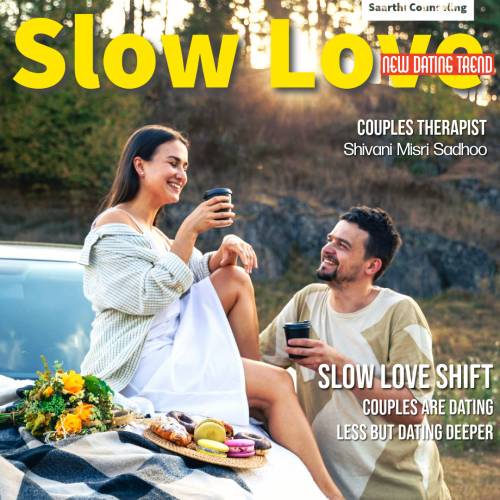
The slow love movement is a dating and relationship philosophy that prioritises intentional connection over rapid romantic progression. It encourages people to take time getting to know someone—emotionally, mentally, and values-wise—before labelling, committing, or escalating the relationship.
Unlike fast-paced dating cultures where chemistry is rushed and milestones are expected quickly, slow love allows relationships to unfold naturally. There is less pressure to constantly impress, respond instantly, or meet arbitrary timelines. The focus shifts from “How fast is this going?” to “How does this feel over time?”
At its core, slow love values emotional availability, honest communication, mutual respect, and long-term compatibility rather than instant sparks or surface-level excitement.
Why People Are Dating Less Today
One of the most visible signs of slow love is that people are dating fewer partners. This is not because of a lack of desire for connection, but because many are becoming more selective.
Modern dating—especially through apps—has led to emotional exhaustion. Endless options, ghosting, breadcrumbing, and unclear intentions have made many people wary. After repeated disappointments, individuals are choosing to conserve emotional energy rather than invest it freely.

Additionally, people are more self-aware than previous generations. Therapy culture, mental health conversations, and emotional education have helped individuals recognise unhealthy patterns. Many now prefer being single over being in relationships that feel confusing, unbalanced, or unsafe. Dating less becomes a form of self-respect rather than loneliness.
Dating Deeper: The Core of Slow Love
While dating less, people are also dating deeper. Slow love encourages asking meaningful questions early on—about values, boundaries, emotional needs, and life goals. Instead of relying solely on attraction or charm, people are paying attention to consistency, empathy, and emotional maturity.
Deeper dating means observing how someone communicates during conflict, how they handle vulnerability, and whether their actions align with their words. It involves pacing emotional intimacy so that trust is built gradually rather than forced quickly.
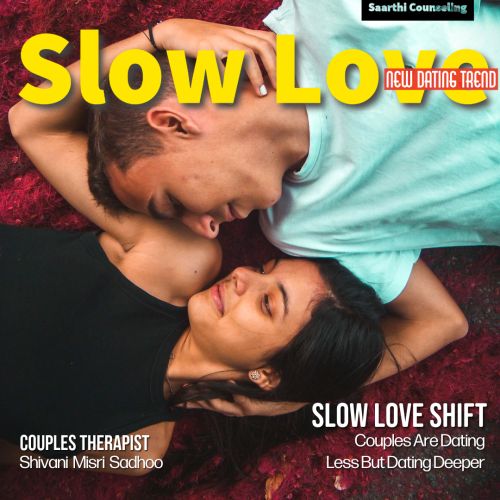
This depth creates relationships that feel calmer and more secure. There is less anxiety about where things are going and more focus on how two people grow together over time.
The Role of Emotional Safety
A major reason slow love is gaining popularity is the growing need for emotional safety. Many people have experienced relationships that were exciting but unstable—high on passion but low on reliability.
Slow love rejects chaos as a marker of romance. Instead, it values steadiness, clear intentions, and emotional regulation. Feeling safe to express needs, fears, and boundaries becomes more important than dramatic highs and lows.
This approach is especially appealing to individuals who have healed from past trauma or emotionally unavailable partners. Slow love offers a way to connect without losing oneself.
Social and Cultural Shifts Supporting Slow Love
The slow love movement is also influenced by broader lifestyle changes. People are prioritising careers, mental health, friendships, and personal growth more consciously. Relationships are no longer seen as the sole source of identity or fulfilment.

There is also less pressure to meet traditional milestones quickly. Marriage, cohabitation, and long-term commitment are still valued—but not at the cost of emotional well-being. Love is seen as something to build thoughtfully rather than rush into.
Is Slow Love the Future of Dating?
Slow love does not mean avoiding romance or commitment. It means approaching love with clarity, patience, and intention. As more people recognise the emotional cost of rushed connections, this movement is likely to grow.
By dating less but deeper, individuals are redefining romance—not as something fast and fleeting, but as something grounded, conscious, and lasting. In a fast world, slow love may be the most radical—and rewarding—choice of all.

Shivani Misri Sadhoo is an internationally recommended relationship counsellor by the world’s biggest and most trusted study and research-based foundation for couples therapy – Gottman Institute. She is trained in specialised key relationship counselling Skills from AIIMS, VIMHANS and various other reputed institutions. Counsellor Shivani Misri Sadhoo is also certified in emotionally focused therapy, cognitive behavioural therapy, and dialectical behaviour therapy.
Counselor Shivani Misri Sadhoo is also a Certified Neuro Linguistic Practitioner with specialized training and experience in the field of affairs/betrayals, trust issues, difficulty communicating, conflicting values, bereavement, grief and loss (affairs, separation, divorce, childhood) and emotional health issue (anxiety, social anxiety, fear, depression, low mood).
Currently, Shivani Misri Sadhoo is one of the top counselors with the HIGHEST Success Rate with over 17,000 happy couples and individuals (based in India and abroad), who has benefited from her therapy. Psychologist and Counselor Shivani Misri Sadhoo not only practices independently from her clinic in Greater Kailash, Delhi, India, but also is listed on the panel of eminent hospitals like IBS Hospital Panel – Institute of Brain and Spine, Express Clinic, Fortis (formerly) based in Delhi.
Call Counselor: +91-8860875040
Email: saarthiforlife@gmail.com