When you fall in love, it’s natural to want to share your happiness with others. In today’s digital age, relationships often become public quickly — thanks to social media. But not everyone feels ready to go public right away, and that’s okay. However, there’s a big difference between taking your time and deliberately hiding your relationship. When someone keeps their partner or relationship a secret from important people in their life, it’s called “pocketing.”
According to Shivani Misri Sadhoo, who is one of the highly experienced couples therapists in India says pocketing is more common than most people realize. While it might begin subtly, over time, it can quietly damage the emotional connection between two people.
What is Pocketing in a Relationship?
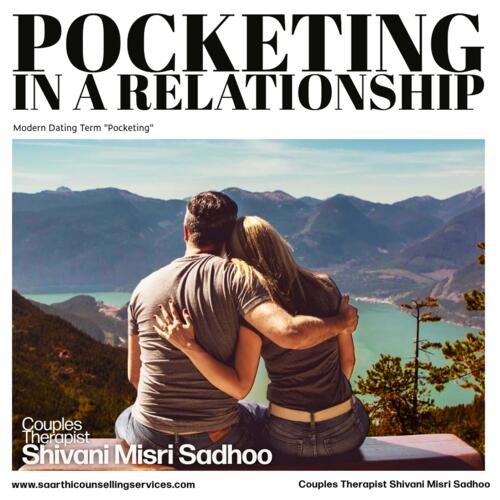
Pocketing happens when one partner intentionally hides the relationship — avoiding introducing you to friends or family, keeping you off social media, or choosing secretive meeting spots. It’s as if you’re “kept in their pocket” — close to them, yet invisible to the world. Some signs are:
Avoids Public Acknowledgment:
A partner who avoids introducing you to their social circle or family even after months of dating might be pocketing you. This lack of acknowledgment can make you question their seriousness about the relationship.
No Social Media Presence:
While not everyone likes posting their love life online, consistently avoiding any sign of you — deleting tags, hiding photos, or pretending to be single — can be a warning sign. It suggests discomfort or unwillingness to be associated publicly.

Secluded Meeting Spots:
If your dates are always held in quiet, unfamiliar places away from the public eye, it could be intentional. While privacy is healthy, consistent secrecy may reflect a desire to keep the relationship hidden.
You’re a Stranger to Their Circle:
It’s hurtful when you meet their friends or family, and they have no idea who you are. It’s a clear indication that your relationship exists only in private, not as part of their real world.
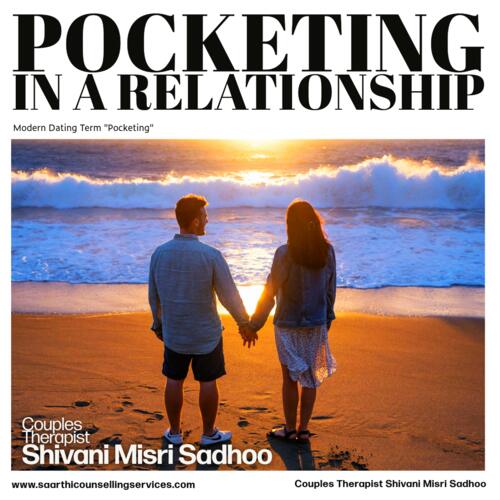
Why Do People Pocket Their Partners?
Some of the reasons include are:
Fear of Judgment or Rejection:
Some people hide their partners due to fear of criticism — about looks, background, or social status. It’s not always about shame but about fear of disapproval or rejection.
Relationship Uncertainty:
When someone isn’t sure about their feelings or future, they might avoid going public. This uncertainty, called relationship ambivalence, can come from mixed emotions or past negative experiences.
Fear of Closeness:
For some, hiding a relationship is a way to protect their independence. People with avoidant attachment styles often struggle with intimacy and prefer keeping emotional distance to feel safe.
How to Deal with Pocketing?
As per Shivani Misri Sadhoo a leading relationship counselor you may do the following:
Communicate Honestly:
Start by talking openly with your partner. Express how their secrecy makes you feel and listen to their perspective. Avoid accusations; instead, focus on mutual understanding.
Value Your Self-Respect:
Never compromise your self-worth. A healthy relationship is built on equality and respect. If your partner continues to hide you despite knowing how it affects you, consider whether this relationship truly serves your emotional well-being.
Understand the Root Cause:
Try to understand why your partner behaves this way. Sometimes it’s not about deceit but about fear, insecurity, or emotional baggage. Compassionate listening can reveal the real reason and help find a solution.
Be Patient, But Set Limits:
Healing emotional barriers takes time. Offer patience and empathy but also set a realistic timeframe for progress. A relationship should evolve — not stay hidden indefinitely.
Seek Professional Help:
If communication doesn’t help, counselling can. A relationship expert can guide both partners to express emotions better and rebuild trust.
Love should be open, honest, and celebrated — not hidden away. Pocketing can harm trust and create emotional distance, but with communication, understanding, self-respect, and sometimes professional help, it can be addressed. A healthy relationship is one where both partners feel seen, valued, and proud to share their connection with the world.

Shivani Misri Sadhoo is an internationally recommended relationship counsellor by the world’s biggest and most trusted study and research-based foundation for couples therapy – Gottman Institute. She is trained in specialised key relationship counselling Skills from AIIMS, VIMHANS and various other reputed institutions. Counsellor Shivani Misri Sadhoo is also certified in emotionally focused therapy, cognitive behavioural therapy, and dialectical behaviour therapy.
Counselor Shivani Misri Sadhoo is also a Certified Neuro Linguistic Practitioner with specialized training and experience in the field of affairs/betrayals, trust issues, difficulty communicating, conflicting values, bereavement, grief and loss (affairs, separation, divorce, childhood) and emotional health issue (anxiety, social anxiety, fear, depression, low mood).
Currently, Shivani Misri Sadhoo is one of the top counselors with the HIGHEST Success Rate with over 17,000 happy couples and individuals (based in India and abroad), who has benefited from her therapy. Psychologist and Counselor Shivani Misri Sadhoo not only practices independently from her clinic in Greater Kailash, Delhi, India, but also is listed on the panel of eminent hospitals like IBS Hospital Panel – Institute of Brain and Spine, Express Clinic, Fortis (formerly) based in Delhi.
Call Counselor: +91-8860875040
Email: saarthiforlife@gmail.com